 OmniGame
OmniGame
OmniGame
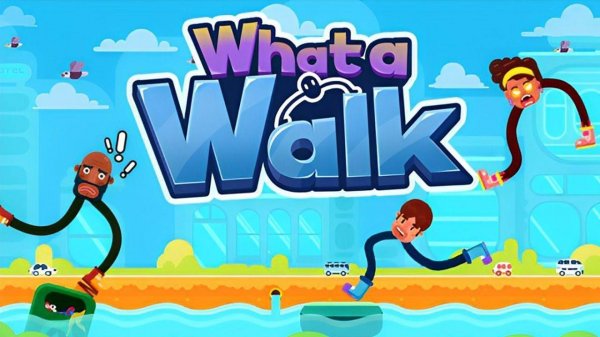
Staggering Path: Tilt Control succeeds in making balance-based gameplay both accessible and entertaining. The physics feel responsive, and the gradual difficulty curve keeps players engaged without causing frustration. The whimsical art style and humorous fall animations add to the charm. It is an excellent choice for quick gaming sessions or for players looking for a lighthearted challenge. The lack of complex mechanics makes it easy to pick up, but mastering the courses requires genuine skill.
Players direct a character whose legs move in a staggered, unpredictable fashion. Using simple inputs, you must counter-steer to maintain an upright position while moving forward. The core challenge lies in reading the terrain and adjusting your rhythm accordingly. Each course presents a series of gentle obstacles, such as bumps and slopes, that test your ability to stay balanced. The physics engine ensures that every movement feels responsive, and even a slight misstep can lead to a comedic tumble. This design encourages repeated attempts, as each run offers a slightly different experience based on your input timing.
The courses are designed to gradually increase in complexity. Early stages feature flat paths with few interruptions, allowing players to get accustomed to the controls. Later courses introduce more varied terrain, requiring sharper reactions and better anticipation. The progression feels natural, with each new element building on skills learned in previous levels. This structure keeps the gameplay fresh without overwhelming newcomers. The environments are whimsical and colorful, adding to the lighthearted atmosphere. Each course feels distinct, with visual themes that complement the playful tone.
The control scheme is intentionally straightforward. Players can use mouse clicks, keyboard arrows, or touch inputs to take steps. A light tap produces a small step, while holding the input leads to a longer stride. The character's balance is represented visually through its swaying motion. Feedback is immediate: leaning too far in one direction causes a fall, resetting progress on that section. This clear cause-and-effect system helps players learn quickly. The game rewards patience and careful timing rather than speed. Mastering the controls involves developing a feel for the character's momentum and the terrain's influence.
The visual presentation is charming and family-friendly. Characters are designed with exaggerated features that enhance the comedic effect of their movements. Backgrounds are bright and inviting, with a cartoon-like aesthetic that appeals to all ages. The animations are smooth and emphasize the wobbly nature of the gameplay. Sound effects accompany falls and successful navigation, adding to the overall experience. The atmosphere remains light and encouraging, even when players fail. This design choice ensures that the game feels more like a playful challenge than a frustrating trial. The combination of visuals and audio creates a cohesive, enjoyable environment.
The game encourages repeated play through its physics-based unpredictability. No two runs are exactly alike, as the character's movements depend on player input and terrain interaction. This variability keeps the experience engaging over time. Players naturally develop strategies to improve their performance, such as finding the optimal rhythm for each course. The satisfaction of completing a challenging section after several attempts is a key motivator. The game does not rely on complex scoring systems or unlockables; instead, the joy comes from mastering the balance mechanics. This focus on core gameplay makes it accessible for short sessions or longer play periods.






Comments
Sign in to comment
You must be logged in before posting a review or rating.
No account? Create one
No comments yet. Be the first to comment!